
VE Day, or Victory in Europe Day, 8 May, marks the day celebrated at the end of World War II when fighting against Nazi Germany came to an end in Europe.
The coronavirus has reduced our ability to meet and commemorate our war heroes at this time. We have been through the world wars and other conflicts and in all, we have prevailed. The coronavirus is no different – yes we will lose many loved ones and friends and our thoughts are with their families and friends. However, rest assured, we will defeat this epidemic also.
This May marks 75 years since the war ended
This month of May is 75 years since the Allies defeated the Nazis and it is important for us to remember WWII and those who contributed to it. Importantly, we reflect on the contribution of thousands of servicemen and women from the Caribbean. More than 12,000 left their families and homes to join the British Armed Forces, working on the home front and the frontline to defeat the Nazis. They were ‘British’ and that was something to be proud of.
Although, at first, Britain’s Government was reluctant to allow us to join the war effort, as the war continued and casualties escalated, and via an Act of Parliament, the rules were relaxed and we could join and fight.
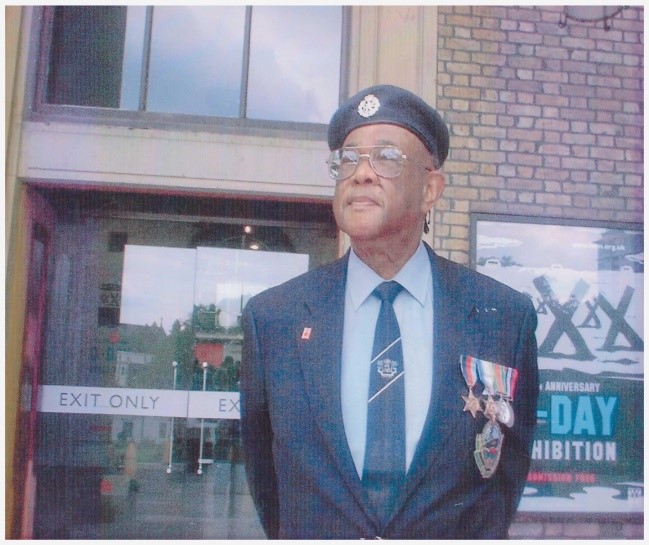
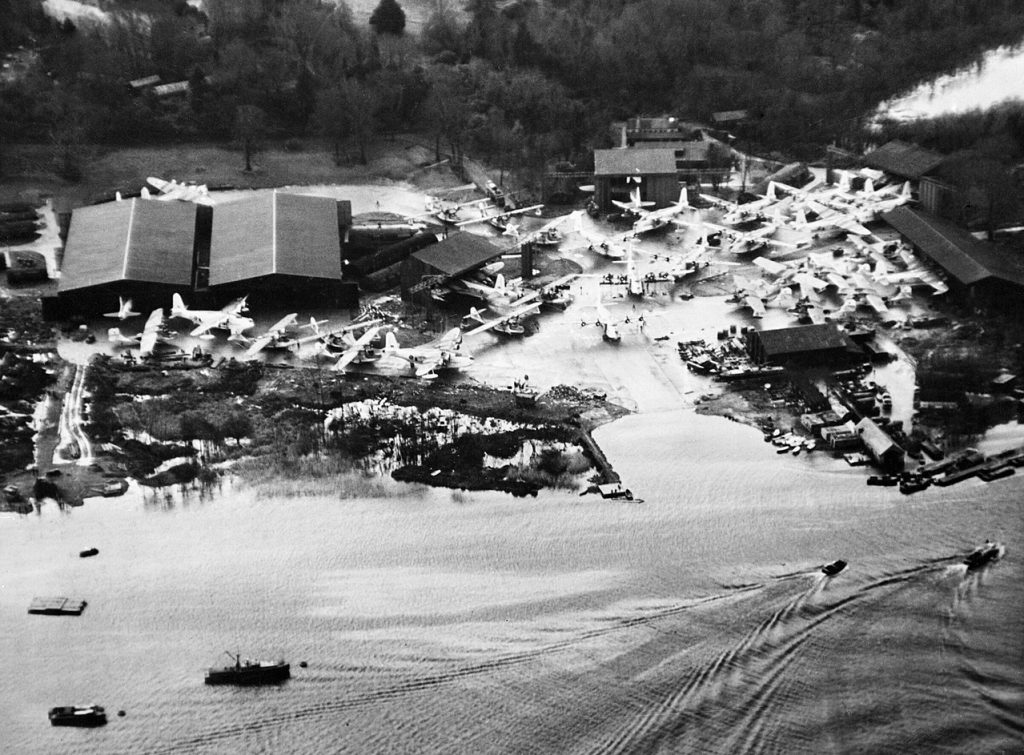
WASP’s own ex-Chairman, Allan Charles Wilmot, a Londoner, who will be 95 years of age this summer, served Britain in the Royal Navy in the Caribbean and later in the RAF Air-Sea Rescue Service in the UK. He remembered VE Day in May 1945, while serving at RAF Station, Castle Archdale, near Enniskillen, Northern Ireland. He said the German-surrender was announced on the radio and it was the happiest day of their lives at the time. To quote him: “We were all glad that the war was over in Europe and the Nazis were defeated, but soon afterward the Allies had to win another war against Japan. So, we were still on the alert and were awaiting news as to how the RAF Air-Sea Rescue Service would be used.”
There was a party at the Station at Castle Archdale but Allan didn’t know how VE Day was celebrated in other parts of Northern Ireland.
Those were the days when you couldn’t see what was going on elsewhere because there was no television, but radio and the newspapers had to be relied on for information. The VE Day party was also attended by local people who had special invitations; they danced all night and had a grand time.
Victory in Europe (VE) Day declared a national holiday in 1945
The announcement that the war had ended in Europe was broadcast to the British people over the radio late in the day on 7 May. The BBC interrupted its scheduled programming with a news flash announcing that Victory in Europe Day would be a national holiday, to take place the following day. Newspapers ran the headlines as soon as they could, and special editions were printed to carry the long-awaited announcement.
Many people in Britain didn’t wait for the official day of celebration and began the festivities as soon as they heard the news on 7 May. After years of wartime restrictions and dangers – from food and clothes rationing to blackouts and bombing raids – it was understandable how eager they were to finally be able to let loose and enjoy themselves. Colourful bunting and flags soon lined the streets of villages, towns, and cities across Britain. On the eve of VE Day, bonfires were lit, people danced and the pubs were full of revellers.
A national holiday was declared in Britain for 8 May 1945. In the morning, Churchill had gained assurances from the Ministry of Food that there were enough beer supplies in the capital and the Board of Trade announced that people could purchase red, white and blue bunting without using ration coupons. Some restaurants had special ‘victory’ menus, too.
Various events were organised to mark the occasion, including parades, thanksgiving services, and street parties. Communities came together to share the moment. London’s St Paul’s Cathedral held ten consecutive services giving thanks for peace, each one attended by thousands of people.
Although the Germans surrendered 75 years ago, on May 8, 1945, marking the end of the Second World War, actually Germans first surrendered on 29 April 1945 in Italy after Hitler’s death and total, unconditional surrender was signed on the 7th of May. In other parts of the world, the war was not over.
For many, the war was not over
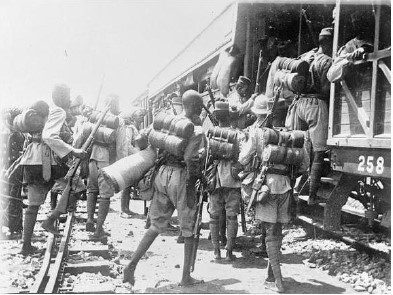
From 1939 hundreds of thousands of West African soldiers were sent to the front in Europe. On the majority of the battlefronts in France, Germany, and Italy, in India, Burma or on the Pacific islands, African soldiers died for the European colonies they came from.
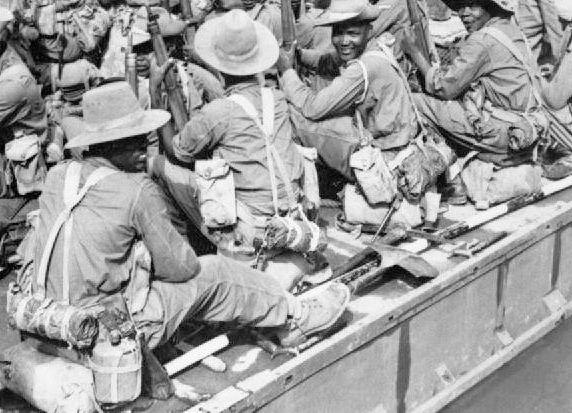
Sadly and inaccurately, the European weekly newscasts at the time spoke of these soldiers as volunteers, not only diminishing the important role they played but playing down the fact that many did not have a choice over whether they joined or not. “The reality was different”, said, 93-year-old war veteran Albert Kuniuku, Chairman of the Veterans’ Union in Kinshasa, the capital of the Democratic Republic of Congo. Until 1960, the country was ruled by the Belgians. Kuniuku also speaks of forced recruitments.
“I was working in a textile company when they came to take us away. Other companies were visited and all the young men were recruited, in that manner”.
In Senegale, veteran Yoro Ba remembers the French coming to his village for their young men. “If we men had stayed at home, we would have been taken or shot”. This is how some of the colonies recruited soldiers for the Second World War.
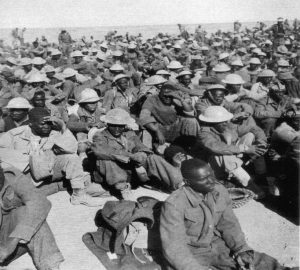
Acknowledging and commemorating all equally
In future commemoration and celebrations, WASP will honour, equally the African soldiers, who gave their lives as much as others in the fight against the Germans. They were there and must never be forgotten. Many veterans complain that they were not recognised or paid for their service like other soldiers were.
We must encourage all our history to be taught in schools, regardless of how painful it is. Recognition should be given to those who put their life on the line for the peace we now enjoy. School children should be taught the contributors of their history; this would go some way in addressing some of the prejudices and intolerance in our society.
Join us in a minute’s silence to commemorate our heroes
On 8 May 2020, at 11.11 am we invite you to stop and join us in a minute’s silence, to remember and show respect to our heroes.
No one will tell our history or contribution to mankind unless we do. WASP is our custodian of black military history.
We are asking that whatever information, photos, and stories you have of families, loved ones or relatives regarding their military contributions, please send copies of them to us with the details and we will collate and display it.